
Over 60 percent of american professionals say LinkedIn plays a direct role in shaping their business relationships. In a world where first impressions happen digitally, understanding how to navigate this network can make or break your outreach success. Whether you work in sales or simply want to grow your connections, mastering strategic prospecting on LinkedIn means unlocking powerful new opportunities you might otherwise overlook.
Key Takeaways
| Point | Details |
|---|---|
| LinkedIn Prospecting Strategy | Focus on relationship-building rather than aggressive selling to convert leads into business opportunities. |
| Segmentation Importance | Categorize prospects into distinct segments to tailor communication and improve engagement outcomes. |
| Effective CRM Integration | Utilize CRM tools to automate data capture and streamline lead management for enhanced efficiency. |
| Common Mistakes to Avoid | Steer clear of generic messages, premature sales pitches, and inconsistent engagement to optimize prospecting success. |
Defining LinkedIn Prospecting and Its Role
LinkedIn prospecting represents a strategic approach to identifying, connecting with, and nurturing potential business opportunities through professional networking platforms. At its core, this method transforms traditional sales techniques by leveraging digital connections and targeted professional interactions. Social selling techniques have revolutionized how sales professionals approach lead generation, moving beyond cold calling to more nuanced, relationship-driven engagement.
The fundamental goal of LinkedIn prospecting is to build meaningful professional relationships that can potentially convert into business opportunities. Unlike traditional sales methods, this approach focuses on understanding potential clients’ professional contexts, interests, and needs before initiating direct communication. Professional networking becomes a sophisticated dance of value exchange, where sales professionals demonstrate expertise, share relevant insights, and establish credibility before making any direct sales pitch.
Effective LinkedIn prospecting involves several strategic components. Sales professionals typically engage in activities such as:
- Optimizing their professional profile to showcase expertise
- Researching and identifying ideal potential client profiles
- Sharing industry-relevant content that demonstrates thought leadership
- Engaging authentically with prospects’ posts and professional updates
- Utilizing targeted prospecting methods to streamline lead identification
Successful LinkedIn prospecting is not about aggressive selling but about building genuine professional connections. By understanding potential clients’ professional landscapes, demonstrating value, and maintaining a strategic yet authentic approach, sales teams can transform digital networking into a powerful lead generation mechanism.
Types of LinkedIn Prospects and Segmentation
LinkedIn prospect segmentation is a sophisticated strategy that allows sales professionals to categorize potential leads based on specific professional attributes and behavioral characteristics. User intent variations play a critical role in understanding how different professionals might engage with networking opportunities, making precise segmentation crucial for targeted outreach.
Professional prospects on LinkedIn can typically be categorized into several key segments:
- Decision Makers: C-level executives, senior managers, and business owners
- Influencers: Industry thought leaders, consultants, and professionals with significant network reach
- Potential Buyers: Mid-level managers and professionals with purchasing authority
- Strategic Partners: Professionals in complementary industries who might offer collaboration opportunities
- Passive Candidates: Professionals not actively seeking opportunities but open to valuable connections
Prospect research techniques have evolved dramatically in the digital age, moving beyond traditional methods to leverage sophisticated data analysis and digital networking insights. Sales teams now use advanced data management strategies to create nuanced segmentation models that go beyond basic demographic information.

Effective segmentation requires a multifaceted approach that considers not just professional title, but also engagement patterns, content interactions, and potential alignment with business objectives. By understanding the unique characteristics and potential value of each prospect segment, sales professionals can develop targeted communication strategies that increase conversion rates and build more meaningful professional relationships.
Workflow Integration With CRM Platforms
Workflow integration between LinkedIn and CRM platforms transforms how sales professionals manage and nurture professional relationships. Personal selling processes have evolved dramatically, with modern CRM integrations enabling seamless data capture and lead management across multiple professional touchpoints.
Key components of effective CRM workflow integration include:
- Automatic contact information synchronization
- Real-time lead tracking and status updates
- Unified communication history across platforms
- Intelligent lead scoring and prioritization
- Seamless data transfer without manual entry
Automated data capture represents a critical advantage of modern CRM integration strategies. Sales teams can now instantly transfer LinkedIn profile insights, connection details, and interaction histories directly into their primary customer management system. Contact information management becomes a streamlined process that eliminates repetitive data entry and reduces potential human error.
Successful CRM integration requires a strategic approach that considers data consistency, privacy requirements, and seamless user experience. By creating a unified workflow that connects LinkedIn networking capabilities with comprehensive CRM platforms, sales professionals can dramatically improve their ability to track, engage, and convert potential leads with unprecedented efficiency and precision.
Effective Outreach and Engagement Tactics
Social selling techniques have revolutionized professional networking, transforming traditional outreach methods into strategic, relationship-driven interactions. Modern LinkedIn prospecting demands a nuanced approach that goes far beyond simple connection requests, focusing instead on creating genuine value and meaningful professional dialogues.
Key strategies for effective LinkedIn engagement include:
- Personalized Connection Requests: Craft thoughtful, context-specific introductions
- Content Sharing: Distribute industry insights and thought leadership materials
- Strategic Commenting: Engage authentically with prospects’ posts and updates
- Value-First Messaging: Prioritize helping over selling
- Consistent Professional Branding: Maintain a compelling, professional online presence
Targeted interaction becomes critical in successful outreach. Sales professionals must balance professional courtesy with strategic communication, understanding that each interaction is an opportunity to demonstrate expertise and build trust. Outbound prospecting strategies emphasize the importance of creating meaningful connections that transcend transactional interactions.
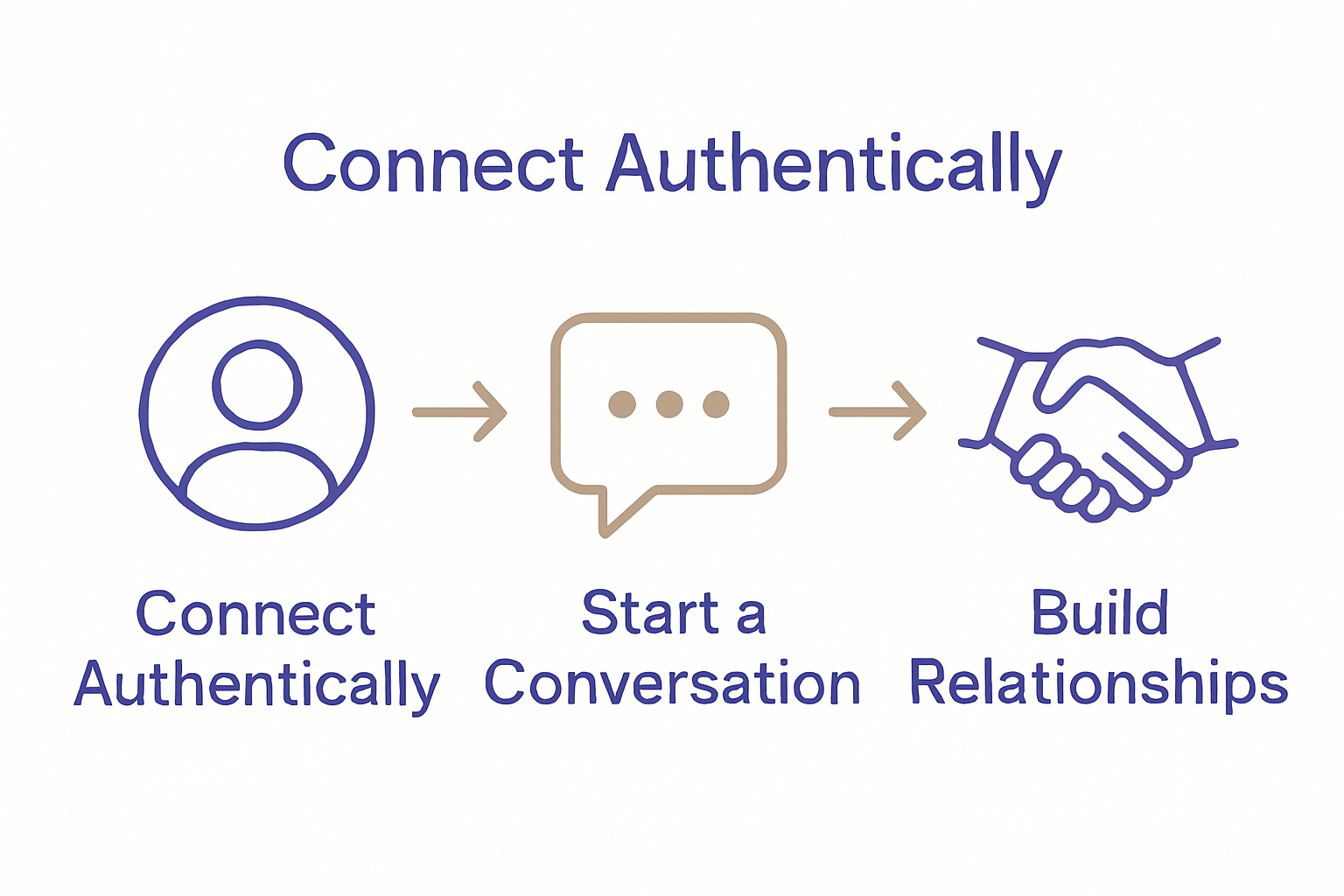
Successful LinkedIn engagement requires patience, authenticity, and a deep understanding of professional networking dynamics. By focusing on relationship-building, providing consistent value, and demonstrating genuine interest in prospects’ professional journeys, sales teams can transform cold connections into productive, long-term professional relationships.
Legal, Compliance, and Platform Guideline Essentials
LinkedIn’s privacy policies have become increasingly complex, presenting significant challenges for sales professionals navigating digital prospecting environments. Understanding the platform’s legal framework is crucial for maintaining ethical networking practices and avoiding potential account restrictions.
Key compliance considerations for LinkedIn prospecting include:
- Data Privacy: Respect individual user information and consent
- Connection Etiquette: Follow platform guidelines for connection requests
- Message Restrictions: Adhere to messaging volume and content guidelines
- Professional Conduct: Maintain professional communication standards
- Account Usage: Comply with LinkedIn’s terms of service
Platform restrictions require careful navigation. Sales professionals must understand that aggressive or automated prospecting techniques can trigger account warnings or suspensions. Cookie policy guidelines underscore the importance of transparent data handling and user consent in professional networking platforms.
Successful LinkedIn prospecting demands a nuanced approach that balances strategic outreach with strict adherence to platform regulations. By prioritizing genuine professional connections, respecting user boundaries, and maintaining transparent communication practices, sales teams can build robust networking strategies that align with both legal requirements and ethical standards.
Common Mistakes and How to Avoid Them
Personal selling strategies reveal that many sales professionals undermine their LinkedIn prospecting efforts through predictable and avoidable errors. Recognizing and addressing these common pitfalls can dramatically improve networking success and lead generation effectiveness.
Top mistakes to avoid in LinkedIn prospecting include:
- Generic Connection Requests: Sending templated, impersonal connection messages
- Premature Selling: Pushing product pitches before establishing rapport
- Inconsistent Personal Branding: Maintaining an incomplete or unprofessional profile
- Sporadic Engagement: Inconsistent or infrequent professional content sharing
- Neglecting Research: Failing to understand prospect backgrounds and contexts
Social selling requires strategic approach. Outbound prospecting techniques emphasize the importance of targeted, thoughtful interactions that prioritize relationship building over immediate transactional goals. Sales professionals must shift from volume-based approaches to quality-driven engagement strategies.
Successful LinkedIn prospecting demands continuous learning and adaptation. By developing a nuanced understanding of professional networking dynamics, maintaining authentic communication, and consistently refining outreach techniques, sales teams can transform potential missteps into opportunities for meaningful professional connections.
Unlock the Full Potential of LinkedIn Prospecting with LeadLx
The article highlights key challenges in LinkedIn prospecting such as managing complex workflows, maintaining accurate contact data, and delivering personalized outreach without wasting valuable time. If you are struggling with repetitive manual tasks, inconsistent data quality, or losing momentum due to fragmented tools, it is time to bridge those gaps with a unified solution. With concepts like automated data capture, targeted prospecting methods, and CRM workflow integration being crucial, the right platform can make all the difference in transforming your LinkedIn efforts into consistent, actionable leads.
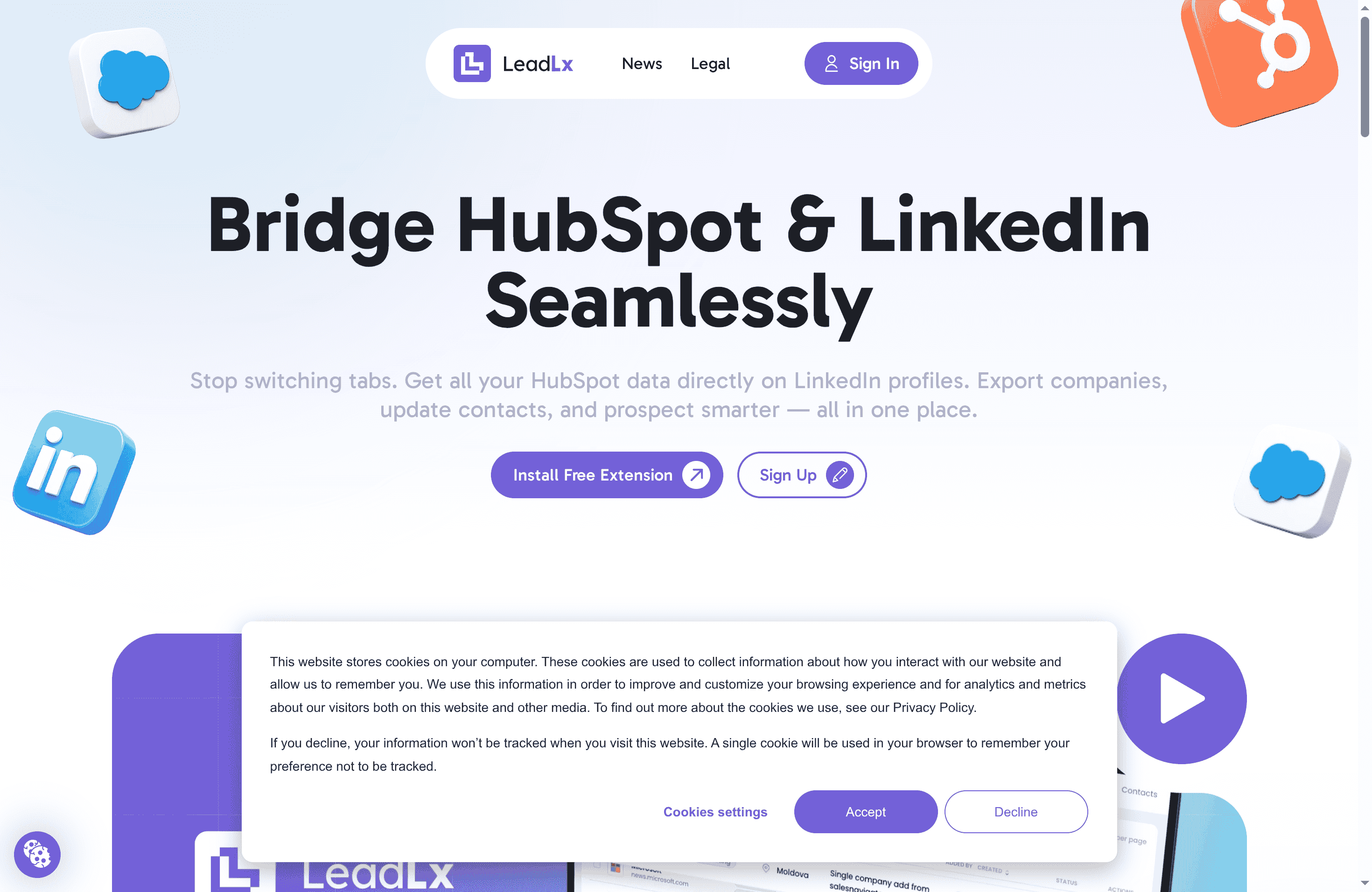
Experience how LeadLx streamlines your LinkedIn prospecting by syncing HubSpot or Salesforce data directly within LinkedIn profiles. Instantly extract and update contact and company information without switching tabs. Save up to 10 hours per week, avoid duplicate CRM entries, and increase team collaboration through a single, efficient workflow. Start optimizing your social selling strategies today and turn connections into real opportunities at LeadLx. Learn more about how to enhance your lead capture with Targeted Prospecting Methods and improve CRM accuracy with our Contact Information Management Tutorial. Take control now and convert every LinkedIn interaction into growth.
Frequently Asked Questions
What is LinkedIn prospecting?
LinkedIn prospecting is a strategic approach to identify, connect with, and nurture potential business opportunities through the LinkedIn platform, focusing on building meaningful professional relationships rather than aggressive sales techniques.
How does LinkedIn prospecting differ from traditional sales approaches?
Unlike traditional sales that often rely on cold calls or hard selling, LinkedIn prospecting emphasizes understanding the professional context and needs of potential clients before initiating communication, prioritizing relationship-building over immediate transactions.
What are the key components of effective LinkedIn prospecting?
Effective LinkedIn prospecting involves optimizing your professional profile, researching ideal client profiles, sharing relevant content, engaging authentically with prospects, and utilizing targeted prospecting methods to streamline lead identification.
What are common mistakes to avoid in LinkedIn prospecting?
Common mistakes include sending generic connection requests, pushing sales pitches too early, maintaining an inconsistent personal brand, neglecting to engage regularly with content, and failing to research prospects thoroughly.
Recommended
- Outbound Prospecting Explained: Complete Expert Overview
- LeadLx Blog: LinkedIn Outreach, CRM Efficiency & Insights
- Time-Saving Prospecting Methods for Efficient Lead Capture
- LinkedIn Data Management Guide | LeadLx
- LinkedIn Marketing – seo analytic
- LinkedIn Keyword Optimierer | Werde von Recruitern gefunden